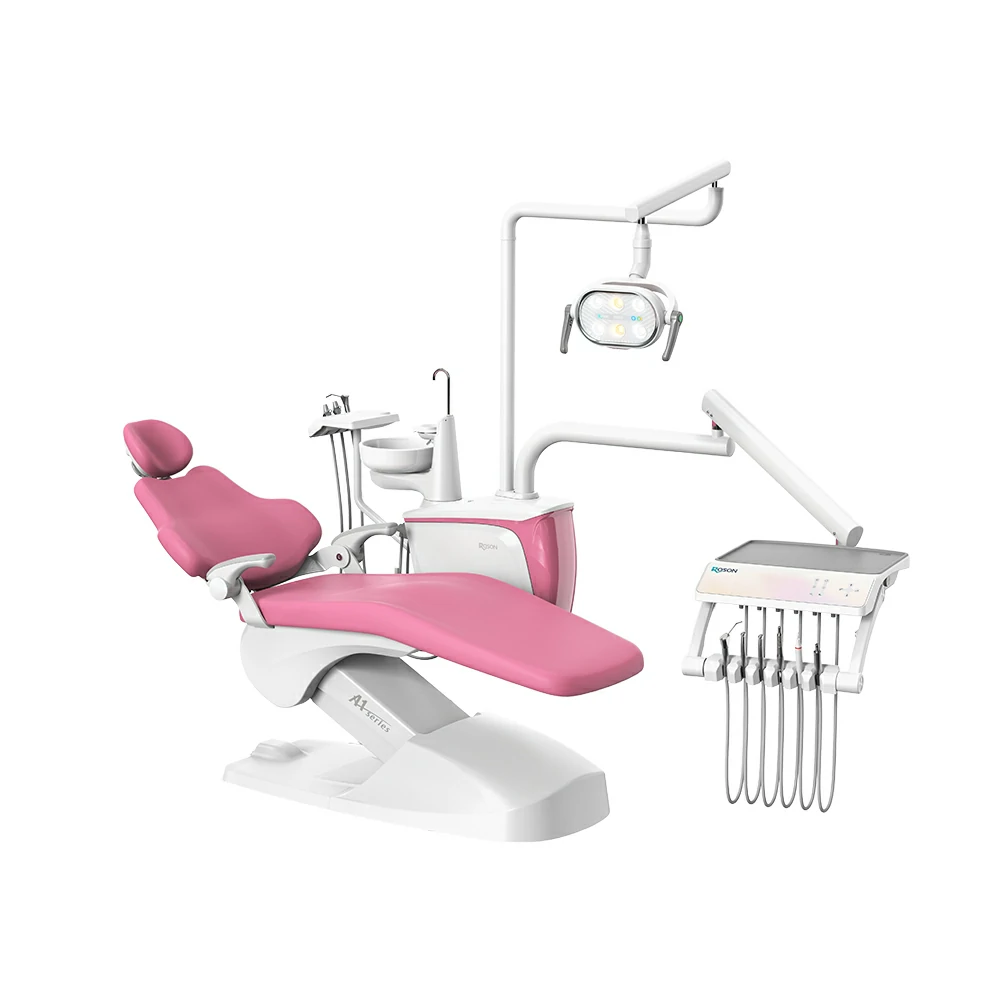
Capital allocation decisions in medical facilities directly influence long-term financial stability and operational performance. Selecting treatment room hardware requires practice managers to evaluate upfront acquisition costs against overall life-cycle expenditure, maintenance overhead, and chairside productivity across busy clinical routines.
Focusing solely on initial purchase price often masks the true financial impact of operatory equipment over its service lifespan. Lower-tier hardware frequently incurs higher ongoing repair costs, frequent component failures, and extended operational downtime that erodes clinical revenue and disrupts patient scheduling.
Partnering with an established dental chair supplier provides practices with durable, precision-engineered hardware designed for long-term reliability. Sourcing certified equipment ensures consistent operational availability, protecting practice capital while supporting efficient clinical workflows across expanding healthcare networks.
Minimizing Operational Downtime and Unplanned Repair Overhead
Equipment breakdowns represent significant financial losses for medical practices through lost appointment capacity and idle staff hours. High-grade operatory units utilize heavy-duty cast steel frameworks and durable internal valves, reducing component wear and preventing unexpected mechanical disruptions during active treatment routines.
Reliable utility delivery systems, such as non-corrosive pneumatic lines and stable pressure regulators, maintain consistent handpiece performance. Preventing unexpected pressure drops or fluid leaks preserves internal solenoids, minimizing urgent service calls and keeping daily operating room schedules running without costly interruptions.
Choosing a reputable dental chair supplier ensures ready access to genuine factory spare parts and comprehensive service documentation. Established supply networks enable local technicians to perform routine preventive maintenance efficiently, extending equipment service life and reducing overall repair expenditures across operating years.
Manufacturers such as Roson focus on robust component engineering and standardized internal layouts to simplify routine servicing. By prioritizing physical durability and straightforward maintenance access, Roson helps facilities maintain high uptime levels and avoid expensive emergency repairs.
Streamlining Chairside Efficiency and Workflow Velocity
Chairside productivity directly impacts daily practice revenue by determining how efficiently clinical staff manage scheduled patient appointments. Modern treatment units integrate intuitive digital control panels and programmable positioning presets, enabling rapid transitions between examination, active care, and patient entry modes.
Ergonomic design features allow attending practitioners to adjust seating height, backrest angles, and instrument delivery trays effortlessly. Streamlining physical adjustments reduces chairside friction, allowing clinical teams to complete procedures efficiently while maintaining sustained focus on patient care and clinical precision.
Integrated utility controls on the dentist delivery cart permit quick adjustments to water spray, handpiece rotational speed, and operating light intensity. Eliminating unnecessary movement during procedures saves valuable minutes per appointment, compounding into significant time savings and higher patient throughput over time.
Incorporating a modern dental chair into the operatory enhances workflow speed without compromising clinical thoroughness. Smooth mechanical transitions and responsive controls help dental practices optimize daily scheduling capacity, directly boosting practice revenue generation over extended operating periods.
Strengthening Patient Retention and Practice Reputation
Patient perceptions of clinical care are strongly influenced by the physical comfort and visual appearance of the operatory environment. Modern, quiet, and well-maintained seating hardware reassures patients regarding facility hygiene standards, reducing dental anxiety and encouraging regular return visits.
High-density microfiber leather upholstery provides ergonomic body support during lengthy restorative or surgical procedures. Wear-resistant synthetic materials maintain their pristine appearance despite frequent application of chemical surface disinfectants, preserving a professional, modern clinical environment that reflects high standards of care.
Whisper-quiet elevation motors minimize jarring movements and distracting mechanical noise, fostering a calm, reassuring atmosphere. A positive treatment experience increases patient satisfaction scores, driving positive word-of-mouth referrals and strengthening the practice’s local market reputation over time.
Selecting a thoughtfully well‑engineered dental chair serves as a tangible, visible commitment to enhanced patient comfort and high‑standard modern healthcare delivery within clinical settings. Thoughtfully investing in robust, quality seating hardware helps dental practices build genuine and lasting patient trust, positively supporting stable patient retention rates and sustainable long‑term business growth for the facility.
Calculating Total Cost of Ownership and Long-Term Value
Evaluating capital investments through a total-cost-of-ownership model clarifies the economic advantage of high-grade equipment choices. Combining low maintenance requirements, high energy efficiency, and extended service lifespans yields a superior financial return compared to budget alternatives requiring frequent replacement.
Durable operatory hardware retains functional value over many years, slowing capital depreciation and delaying complete system overhauls. Practicing long-term financial management allows practice directors to reallocate capital toward practice expansion, advanced diagnostic tools, or staff development rather than premature hardware replacements.
Sourcing operatory systems from recognized producers like Roson provides healthcare facilities with practical, durable solutions engineered for modern clinical demands. Utilizing certified dental chair setups allows growing clinics to manage operational budgets effectively while maintaining high standards of care.
Ultimately, investing in quality operatory hardware yields clear financial returns through reduced downtime, increased workflow efficiency, and enhanced patient loyalty. Sourcing dependable equipment from experienced manufacturers like Roson establishes a strong operational foundation for sustained commercial success in modern clinical dentistry.