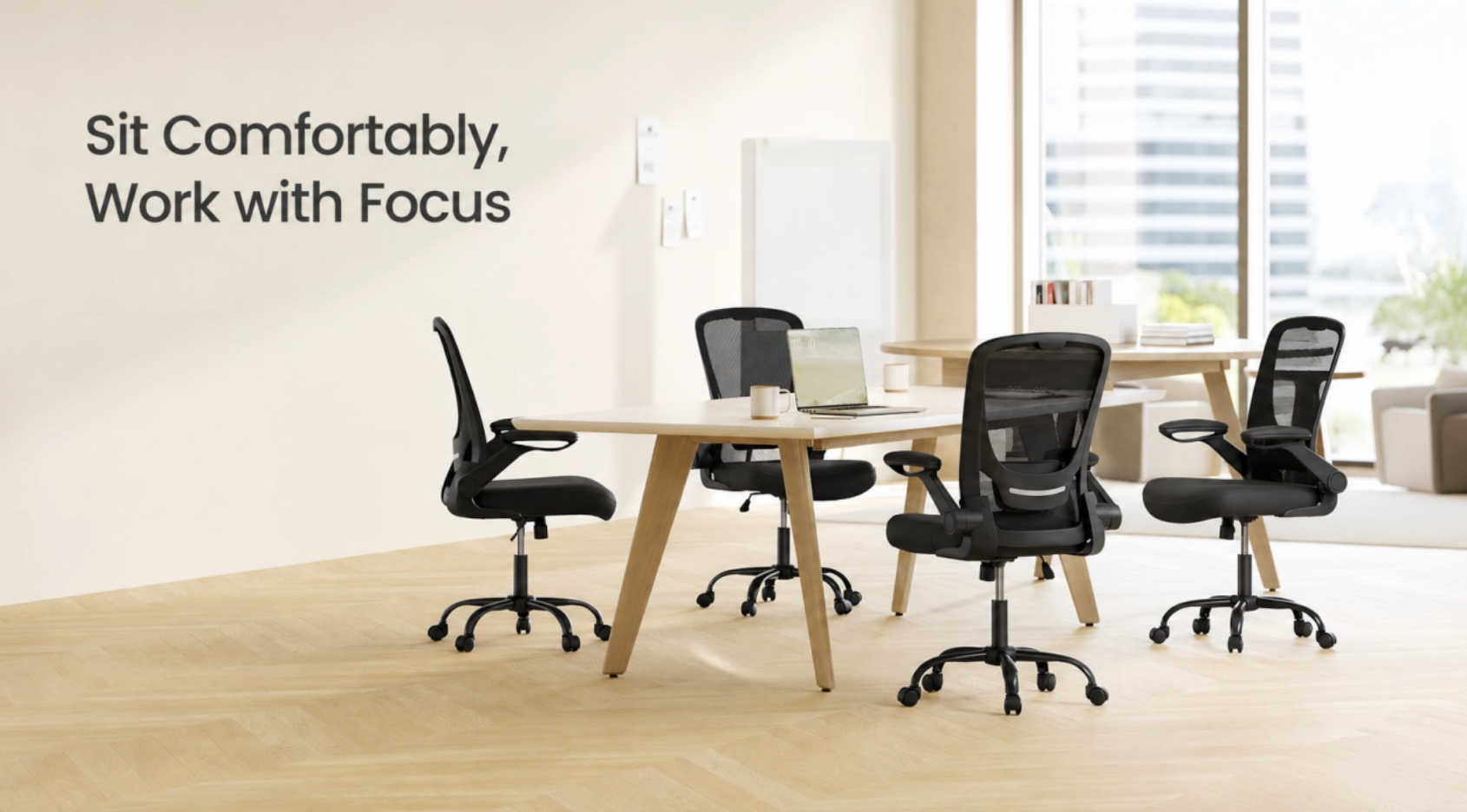
Workplace ergonomics have transitioned from a niche luxury to a standard corporate requirement. As global businesses prioritize employee health, demand for adaptable office furniture continues to rise. Retailers and distributors must carefully align procurement strategies with evolving corporate expectations. Stocking seating solutions that address specific physical needs can help businesses capture a larger share of the growing commercial furniture market.
Among various components of workplace seating, lower back support remains a primary concern for end-users. Prolonged sitting naturally places stress on the lumbar spine, particularly during intensive computer work. Chairs lacking proper reinforcement often lead to discomfort and decreased productivity for the user. Retail buyers must evaluate how different structural designs address this widespread physical challenge to build a compelling, competitive catalog that appeals to health-conscious organizations.
Expanding Market Reach Through Adjustability
A static backrest restricts a product’s potential customer base. Because human spinal curvatures vary significantly from person to person, a fixed lumbar pad may feel uncomfortable for certain individuals. Sourcing chairs with highly adjustable lumbar mechanisms allows retailers to serve a much broader demographic with a single SKU. This versatility makes the product highly appealing to procurement managers tasked with outfitting diverse and dynamic corporate workforces.
When a single chair model accommodates various body types, it simplifies inventory management for wholesale distributors. Instead of stocking dozens of specific sizes, procurement teams can invest deeper in highly adaptable models. This consolidation strategy may improve warehouse space utilization and streamline the overall purchasing process, keeping working capital fluid for other retail investments.
Analyzing Cost vs. Retail Value
Procurement teams frequently balance upfront wholesale costs against the perceived retail value of advanced features. Basic, non-adjustable chairs may offer attractive initial margins, but they often struggle to compete in premium retail categories. Investing in chairs with dynamic lumbar systems allows businesses to justify higher price points and target mid-to-high-end market segments successfully.
This upward market positioning can favorably shift a retailer’s overall profitability. When corporate buyers understand the long-term health benefits of adjustable support, they are generally more willing to increase their purchasing budgets. Retail sales teams can leverage these functional mechanics to transition standard inquiries into higher-value commercial transactions.
Sourcing the Right Mechanisms
Evaluating a wholesale ergonomic office chair requires a close examination of its adjustment capabilities. Buyers should look for mechanisms that offer both vertical and depth modifications. Vertical adjustability allows users to align the support pad directly with their lower back. Depth control lets them dictate the firmness of that specific zone.
The materials used in the lumbar region also impact the overall product value. High-tension breathable mesh is currently favored in the commercial sector because it distributes weight evenly while preventing heat buildup. Retail buyers should assess the durability of these materials to minimize potential warranty claims and long-term customer dissatisfaction.
Beyond adjustability, procurement teams should verify the mechanical testing standards of the chairs they intend to stock. Adjustable lumbar systems involve moving parts that must withstand thousands of cycles over their lifespan. Evaluating adherence to international durability standards helps buyers verify that structural components hold up in demanding commercial environments, protecting the retailer’s bottom line against product failure.
Aligning with Modern Office Expectations
Corporate buyers are increasingly educated about workplace health metrics. They actively seek out specific office chair design features that demonstrate a tangible commitment to employee well-being. Retailers who understand these technical nuances can position themselves as consultative partners rather than mere transactional vendors during large-scale office fit-outs.
The rise of hybrid work models has further complicated the seating market. Employees now split their time between corporate headquarters and home offices, creating demands for dual-purpose furniture. Procurement managers must source chairs that offer professional-grade ergonomics without appearing overly industrial for a residential setting.
Balancing aesthetic appeal with rigorous structural support requires careful category planning. Retailers can address this by stocking adjustable chairs featuring neutral color palettes and streamlined frames. This curation helps businesses appeal to independent remote professionals while simultaneously serving the bulk procurement needs of traditional corporate environments.
Evaluating B2B Manufacturing Partners
Securing a reliable supply of advanced seating requires partnering with capable manufacturing facilities. Producing adjustable ergonomic furniture involves complex engineering and strict quality control tolerances. Retailers need suppliers capable of maintaining consistent mechanical performance across massive production runs. Inconsistent adjustment mechanisms can lead to elevated return rates, eroding retail margins.
SONGMICS HOME operates as an international B2B furniture manufacturer with extensive experience in workspace solutions. Their product portfolio includes a diverse range of office seating designed to meet various ergonomic requirements and budget tiers. This breadth allows retail buyers to source multiple seating categories from a single centralized network.
To support their global wholesale partners, they manage an extensive infrastructure of self-owned logistics centers across key international markets. This localized warehousing capability is structured to facilitate efficient order fulfillment and support steady inventory replenishment. Retailers might find this logistical framework advantageous for mitigating unpredictable regional shipping delays.
Additionally, their internal research and development teams focus on refining structural stability and material performance. They offer Original Equipment Manufacturer services for businesses seeking tailored product lines. This manufacturing flexibility allows wholesale clients to customize specific features, supporting a more differentiated retail strategy in a highly competitive market.
Winning Corporate Contracts and Repeat Business
In the commercial furniture sector, long-term profitability often relies on securing repeat bulk orders from corporate clients. When a business outfits an office, the physical comfort of their employees directly influences their perception of the retailer. Delivering chairs with precise, adaptable lumbar support can significantly reduce workplace complaints.
High user satisfaction rates pave the way for ongoing procurement contracts as client companies expand or open new branches. Retailers who prioritize functional adjustability in their sourcing strategies are essentially investing in customer retention. Supplying structurally sound, adaptable seating helps businesses establish a reputation for reliability, driving sustainable commercial growth.