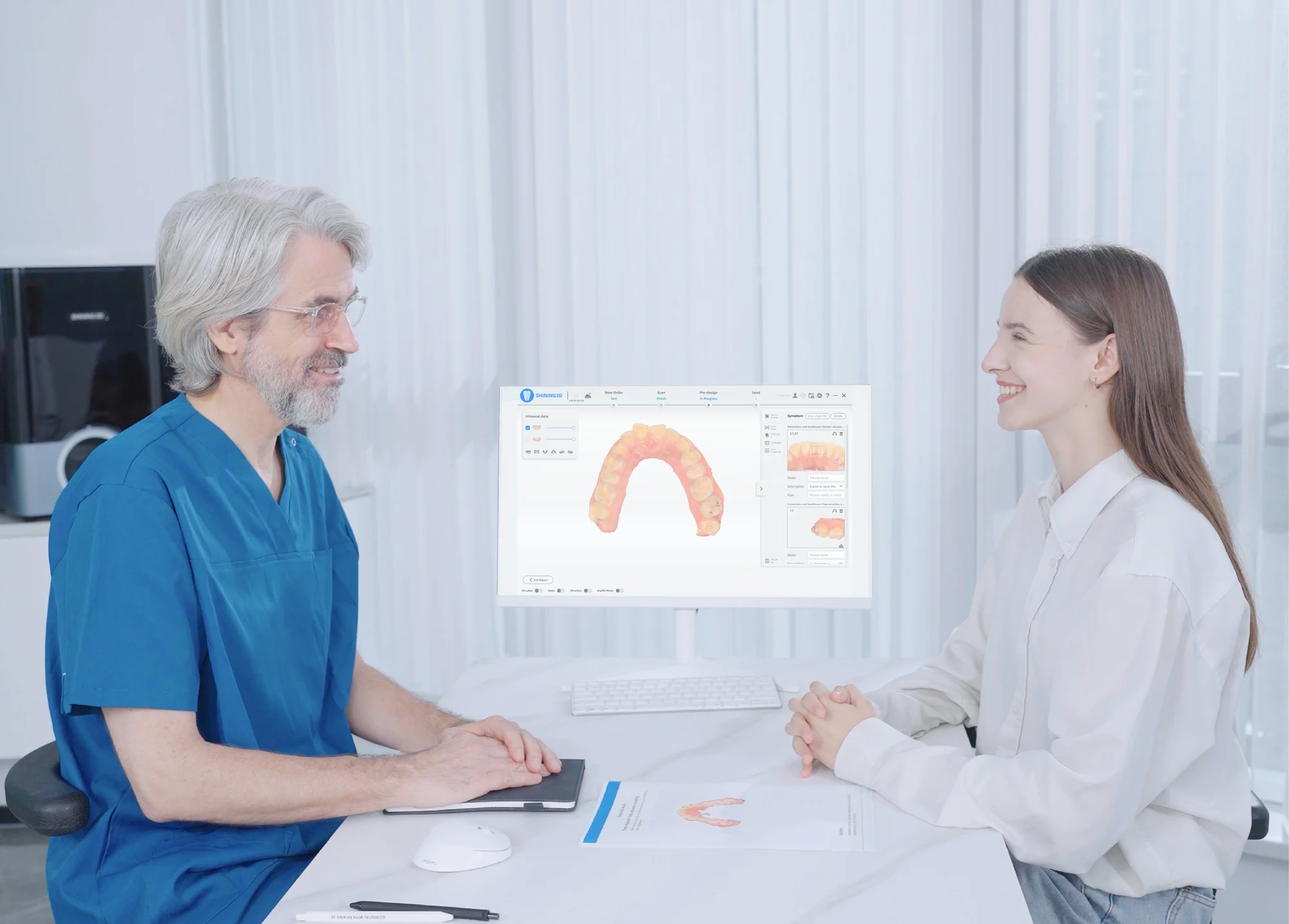
Digital dentistry is changing the way dental professionals diagnose, plan, and deliver treatments. From digital impressions to advanced occlusal analysis, modern technologies help clinics improve efficiency and treatment predictability. However, many patients and dental professionals still ask: how much does digital dental treatment cost? The answer depends on multiple factors, including the type of procedure, equipment used, software requirements, and the complexity of the patient’s condition.
Factors That Influence the Cost of Digital Dental Treatment
The cost of digital dental treatment varies because digital dentistry is not a single procedure. It is a complete workflow that may include scanning, diagnosis, treatment planning, design, and manufacturing.
Several factors can affect the overall investment:
- Type of treatment: Simple restorations generally require fewer digital steps, while implant restoration, orthodontic treatment, and full-mouth rehabilitation may involve more advanced technologies.
- Equipment and software: Dental clinics using professional digital tools need to invest in scanners, analysis software, CAD systems, and related technologies.
- Clinical complexity: Cases requiring detailed functional analysis, such as bite reconstruction, may require additional digital records and planning.
- Laboratory collaboration: Some treatments involve digital communication between clinics and dental laboratories, which may influence overall costs.
Instead of focusing only on the price of individual technologies, many professionals evaluate digital dentistry based on its ability to improve workflow efficiency, reduce manual errors, and support better treatment planning.
How Digital Dental Technology Creates Long-Term Value?
Although digital dental treatment may require higher initial investment compared with traditional approaches, it can provide long-term benefits for dental practices and patients.
Digital workflows allow dentists to capture accurate oral information, store patient records digitally, and communicate treatment plans more efficiently. Compared with conventional methods, digital data can be transferred instantly between clinics and laboratories without the risks associated with physical impressions.
For dental professionals, a complete digital workflow can improve productivity by reducing repetitive manual procedures. For patients, it can provide a more comfortable experience and clearer visualization of proposed treatments.
Companies such as SHINING 3D Dental provide integrated digital dentistry solutions designed to support modern clinics and laboratories. Their product ecosystem includes intraoral scanners, dental design solutions, and digital manufacturing technologies that help professionals build efficient workflows.
The Role of Jaw Relation Record in Digital Treatment Planning
In complex restorative and prosthetic treatments, accurate functional information is essential. A jaw relation record is an important part of digital dentistry because it helps dentists understand the relationship between the upper and lower jaws.
Traditional bite registration methods depend heavily on physical materials and manual adjustments. Digital workflows can capture and analyze jaw relationships more efficiently by combining scanning data with specialized software.
A precise jaw relation record can support applications such as:
- Full-mouth rehabilitation
- Implant-supported restorations
- Complex prosthodontic treatments
- Occlusal adjustment planning
By integrating digital records into the treatment process, dental professionals can improve communication with laboratories and create more predictable restoration designs.
Why Mandibular Movement Analysis Can Affect Treatment Costs?
Functional analysis is another factor that may influence the cost of digital dental treatment. The evaluation of mandibular movement provides valuable information about how the lower jaw moves during different functions, including opening, closing, and chewing.
A mandibular movement analysis can help clinicians understand dynamic occlusion and identify potential functional issues before final restoration production. This information is especially useful in advanced cases where tooth contact, jaw function, and long-term comfort are important considerations.
Although additional analysis may increase the complexity of a digital workflow, it can help reduce adjustment time after treatment. For dental professionals, investing in accurate functional data may improve treatment efficiency and patient satisfaction.
SHINING 3D Dental Supports Comprehensive Digital Workflows
SHINING 3D Dental focuses on providing digital solutions for dental professionals, covering data acquisition, design, and manufacturing processes. Its technologies are designed for clinics and laboratories that want to improve accuracy and efficiency through digital transformation.
The company’s Aoralscan series intraoral scanners are developed to support various dental applications, including restorations, implants, orthodontics, and digital workflows. These scanners capture detailed oral data and provide digital files that can be used for further design and production processes.
By combining scanning technology with digital dental software solutions, SHINING 3D Dental helps professionals create connected workflows from patient data collection to final restoration manufacturing.
For clinics considering digital adoption, selecting the right equipment depends on treatment goals, patient volume, and workflow requirements. A professional digital dental solution should provide reliable performance while supporting future expansion.
Is Digital Dental Treatment More Expensive Than Traditional Methods?
The answer depends on how the cost is evaluated. Digital dentistry may involve higher equipment and technology investments at the beginning. However, it can reduce certain long-term expenses by improving workflow efficiency and minimizing repeated procedures.
For example, digital impressions eliminate the need for many physical materials and simplify communication between dental teams. Digital records can also be reused for future treatment planning, follow-up procedures, and patient management.
In advanced treatments, technologies such as jaw relation record integration and mandibular movement analysis can provide additional clinical information that supports better decision-making.
Choosing the Right Digital Dental Solution
When evaluating digital dental treatment costs, dental professionals should consider more than the initial purchase price. The value of a digital workflow comes from improved accuracy, better efficiency, and the ability to deliver advanced treatment options.
A suitable digital dental solution should match the clinic’s needs, including treatment types, workflow complexity, and future development plans. Solutions from SHINING 3D Dental allow dental professionals to gradually adopt digital technologies while improving their overall treatment capabilities.
Conclusion
The cost of digital dental treatment depends on many factors, including the procedure type, technology involved, and level of functional analysis required. While advanced digital tools may require investment, they provide significant advantages in accuracy, communication, and workflow management.
Technologies involving jaw relation record and mandibular movement analysis are becoming increasingly important for complex dental treatments because they help professionals understand both structural and functional information. As digital dentistry continues to develop, more clinics and laboratories are adopting integrated solutions to provide efficient and predictable patient care.