Road conditions can change the way an electric scooter performs, feels, and fits into a rider’s routine. Smooth city streets place different demands on a vehicle than uneven pavement, broken road edges, or compacted gravel, making intended use an important part of the buying decision.
For retailers working with an electric scooter factory, understanding these differences helps turn technical specifications into practical product recommendations. LUYUAN serves the electric mobility market with a range of models, giving dealers a basis for evaluating which configurations may suit their customers and local riding environments.
How Road Conditions Shape Buyer Expectations
City riding often involves frequent stops, traffic lights, tight turns, and limited parking space. In these circumstances, manageable vehicle dimensions, predictable braking, comfortable seating, and convenient daily charging can matter more than extreme performance figures. Customers who travel short distances may also value easy handling and a design that fits into their regular routine. Dealers who identify these priorities early can narrow the available options without overwhelming buyers with specifications they may not need.
Rougher roads introduce a different set of considerations. Uneven surfaces can increase vibration and place additional demands on tires, suspension components, the frame, and braking systems. Riders may care more about shock absorption, ground clearance, tire grip, and stability when road quality varies along a route. However, occasional potholes or gravel sections do not automatically mean that a specialized off-road vehicle is necessary; the suitability of a scooter depends on the severity and frequency of those conditions.
A useful assessment begins with the actual journey rather than a broad label such as “urban” or “off-road.” Retail staff can ask how much of the route is paved, whether steep slopes are common, how far the rider travels each day, and whether passengers or cargo are involved. Such questions help distinguish occasional rough-road exposure from sustained demanding use. The resulting recommendation is more grounded in the customer’s circumstances than one based on motor power or appearance alone.
Evaluating Comfort, Power, and Everyday Practicality
Motor output and maximum speed tend to attract attention, but neither figure describes the entire riding experience. Acceleration under load, climbing performance, braking response, and energy consumption all influence how a vehicle behaves during regular use. Battery capacity also needs to be considered alongside the advertised range, since rider weight, temperature, road gradient, speed, and riding habits can affect the distance achieved between charges.
Comfort deserves similar attention because road texture influences fatigue over time. Suspension design and tire characteristics can help manage vibration, while the seat, riding posture, handlebar position, and foot placement affect how naturally the rider controls the scooter. Buyers who spend substantial time on mixed-quality roads may benefit from testing these factors in person. A short demonstration on a representative surface can reveal details that product photographs and specification sheets cannot communicate.
Maintenance requirements are another useful comparison point. Frequent exposure to dust, moisture, loose material, and rough surfaces may increase the need for inspections and cleaning, depending on the vehicle’s design and operating conditions. Retailers should explain the manufacturer’s maintenance guidance and avoid treating general water resistance or rugged styling as proof that a scooter can handle every environment. Practical advice about tire condition, brake checks, and battery care helps customers understand ownership responsibilities before purchase.
Positioning the S75 for Different Market Segments
Product positioning works best when the model’s documented specifications are matched to a defined customer group. Rather than assuming that every scooter suits every road, dealers can compare power, battery configuration, speed, range, comfort features, and intended application with the needs identified during customer conversations. An electric scooter factory that provides accessible technical documentation can make this process more consistent across sales teams and distribution partners.
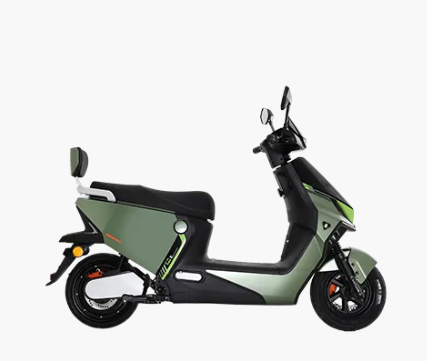
The LUYUAN electric scooter S75 can be assessed as one candidate within a broader product assortment. Before presenting it as suitable for city travel or rougher routes, dealers should confirm the specifications of the exact version available, including motor rating, battery type and capacity, stated range, suspension design, tire configuration, and braking equipment. These details should be checked against the official product information rather than inferred from the model name. The final positioning should also account for local vehicle regulations and the actual conditions in which customers expect to ride.
A balanced catalogue usually serves several needs instead of forcing one model to cover every scenario. Some customers may prioritize an economical daily commute, while others may need more comfort on inconsistent road surfaces or greater capacity for longer journeys. LUYUAN offers dealers a starting point for evaluating different mobility options, but the most useful assortment will depend on local demand, retail pricing, available service resources, and customer feedback. Product categories become easier to explain when each model has a clear role and realistic application boundaries.
Conclusion
A sound purchasing decision begins with the route, the rider, and the practical demands of everyday travel. Smooth streets, uneven pavement, and mixed surfaces place different demands on comfort, handling, maintenance, and performance, so product comparisons should reflect more than headline figures.
Retailers considering the LUYUAN electric scooter S75 can evaluate its verified configuration alongside these factors, then decide how it fits within the wider range. By working with an electric scooter factory that provides clear product information and dependable dealer support, businesses can build an assortment around genuine customer needs while helping riders develop realistic expectations of each vehicle.