Industrial equipment is becoming more intelligent, creating demand for computing systems that can handle automation control, data processing, artificial intelligence, and connectivity within harsh operating environments. Unlike standard commercial computers, industrial systems must support long operating cycles, flexible integration, and reliable performance in specialized applications.
The market now includes multiple industrial computer solutions designed for different workloads. A machine vision system may require AI acceleration, while a factory gateway may prioritize communication interfaces and long-term stability. Healthcare equipment, transportation systems, and smart manufacturing platforms also have different computing requirements.
Understanding the available solution categories helps equipment manufacturers and system integrators choose platforms that match their technical goals.
Industrial Computer Solutions Are Diversifying Around Application Needs
Industrial computing has moved beyond simple machine control. Modern equipment often combines sensors, cameras, networking modules, and software applications that generate large amounts of operational data.
A production line may need local image analysis to detect defects immediately. An autonomous robot may require onboard processing for navigation and decision-making. A medical device may need stable computing resources for visualization and intelligent analysis.
These scenarios require different hardware architectures. Some applications need powerful processors and AI acceleration, while others need flexible expansion and industrial connectivity.
An industrial computer solution is therefore selected based on the relationship between workload, environment, and system design. Manufacturers increasingly evaluate computing platforms as part of the overall equipment architecture rather than as an independent hardware component.
AI Box PC Platforms for Intelligent Industrial Workloads
Among available industrial computing options, AI Box PCs have become increasingly important for applications requiring local artificial intelligence processing. These systems combine embedded computing reliability with acceleration capabilities for AI inference tasks.
Machine vision is one of the most common applications. Automated inspection equipment can use cameras and AI algorithms to identify product defects, classify components, and improve quality control without sending large amounts of image data to cloud servers.
Robotics is another major field. Autonomous mobile robots and intelligent machines require real-time processing for navigation, environment recognition, and operational decisions.
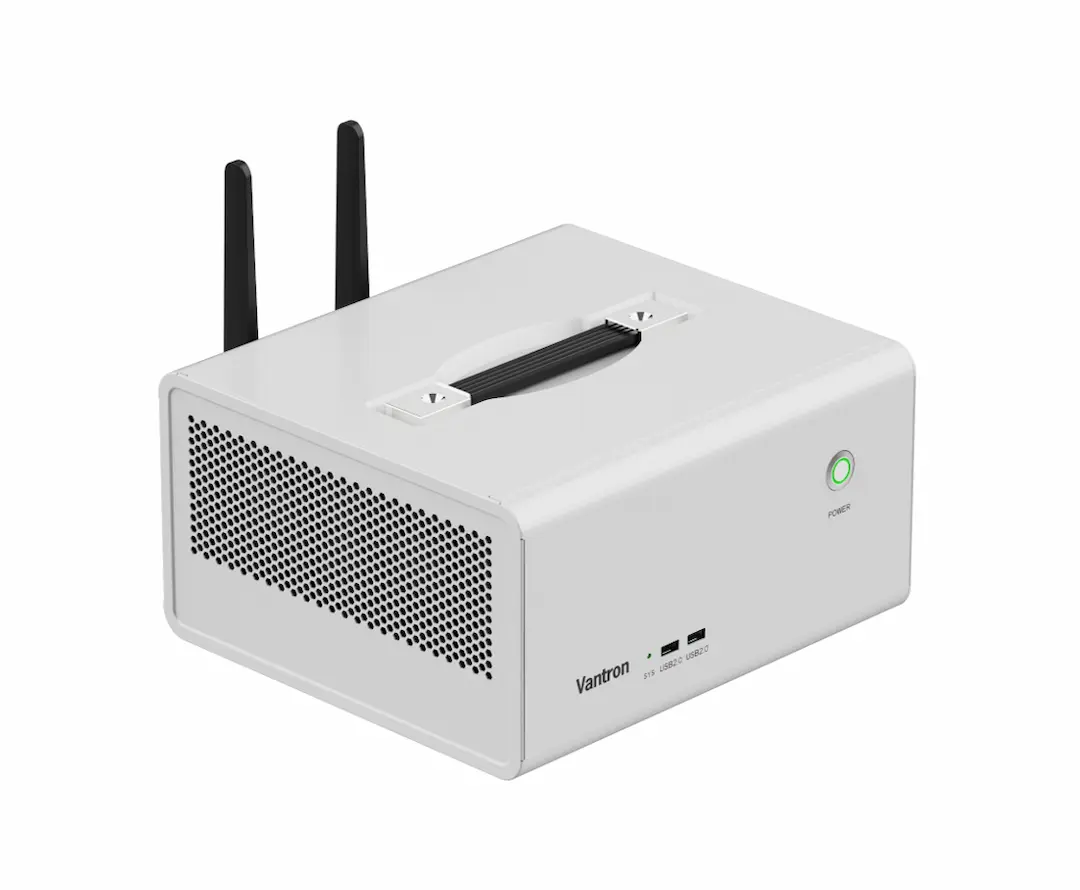
Vantron provides AI computing platforms designed for industrial applications, including AI Box PC systems that support intelligent edge workloads. Their EPC-H610-H Expandable Medical AI Box PC integrates Intel Core processors, expansion capabilities, multiple display support, and PCIe expansion options for AI-related applications.
Healthcare equipment represents a specialized AI computing scenario. Medical imaging, intelligent monitoring, and connected medical devices require stable computing platforms that can support advanced software applications while operating reliably.
For AI-intensive industrial applications, NVIDIA Jetson-based platforms are another available option. Systems based on Jetson Orin platforms are commonly used for edge AI workloads such as vision processing, robotics, and intelligent video analytics.
Expandable Computing Platforms for Equipment Builders
Many equipment manufacturers require more than basic processing capability. They need computing systems that can adapt to changing designs, additional peripherals, and future upgrades.
Expandable industrial computers address this requirement through features such as PCIe slots, multiple communication interfaces, storage expansion, and flexible I/O configurations.
For OEMs developing different machine models, expandable platforms reduce redesign requirements. A single computing architecture can support multiple products by adding specific modules or adjusting software functions.
Industrial automation equipment often benefits from this approach. A vision inspection machine may require additional GPU resources, while an automated production system may need more communication ports for connecting field devices.
Empowering manufacturers with adaptable hardware integration and long-term stability, Vantron provides customizable, expandable industrial computing platforms designed to handle heavy processing demands.
Processor selection also influences expandable system design. Intel platforms are often used where higher computing performance and broad software support are required. ARM-based platforms, including NXP i.MX8 and i.MX9, Qualcomm QCS, MediaTek Genio, and Rockchip solutions, provide alternatives for applications emphasizing efficiency and embedded optimization.
Industrial Computer Solutions Designed for Specific Industries
Different industries select computing platforms according to operational priorities rather than simply choosing the highest-performance hardware.
Manufacturing companies often require industrial systems that support machine vision, factory communication, and real-time analytics. AI-enabled computers can help integrate inspection and automation functions directly into production equipment.
Transportation systems require computing platforms capable of supporting vehicle communication, location services, and intelligent monitoring. Embedded computers used in these environments often require specialized interfaces and designs suitable for mobile applications.
Healthcare equipment requires another balance. Medical systems may prioritize stable operation, display capabilities, expansion options, and support for specialized applications.
Energy and infrastructure projects also rely on industrial computing for monitoring, control, and data analysis. Remote locations may require systems that can operate independently while maintaining reliable communication with central platforms.
These examples show that the “top” industrial computer solution depends on the actual deployment environment. The strongest platform is the one that matches the application’s workload and operational requirements.
Matching the Right Industrial Computer Solution to Future Equipment Designs
Choosing the right industrial computer solution should begin with the actual requirements of the equipment rather than a specific hardware category. Four factors are particularly important: workload, operating environment, expansion requirements, and product lifecycle.
Workload determines the required level of computing performance, including CPU resources, AI acceleration, graphics capability, memory, and data-processing requirements. The operating environment then determines whether the system needs to address factors such as temperature variation, vibration, dust, continuous operation, or other industrial conditions.
Expansion requirements should also be considered when equipment may need additional storage, I/O interfaces, communication modules, or acceleration hardware as the design evolves. Finally, lifecycle considerations such as long-term availability, system stability, maintenance, and future upgrade options can influence whether a platform remains suitable throughout the equipment’s service life.