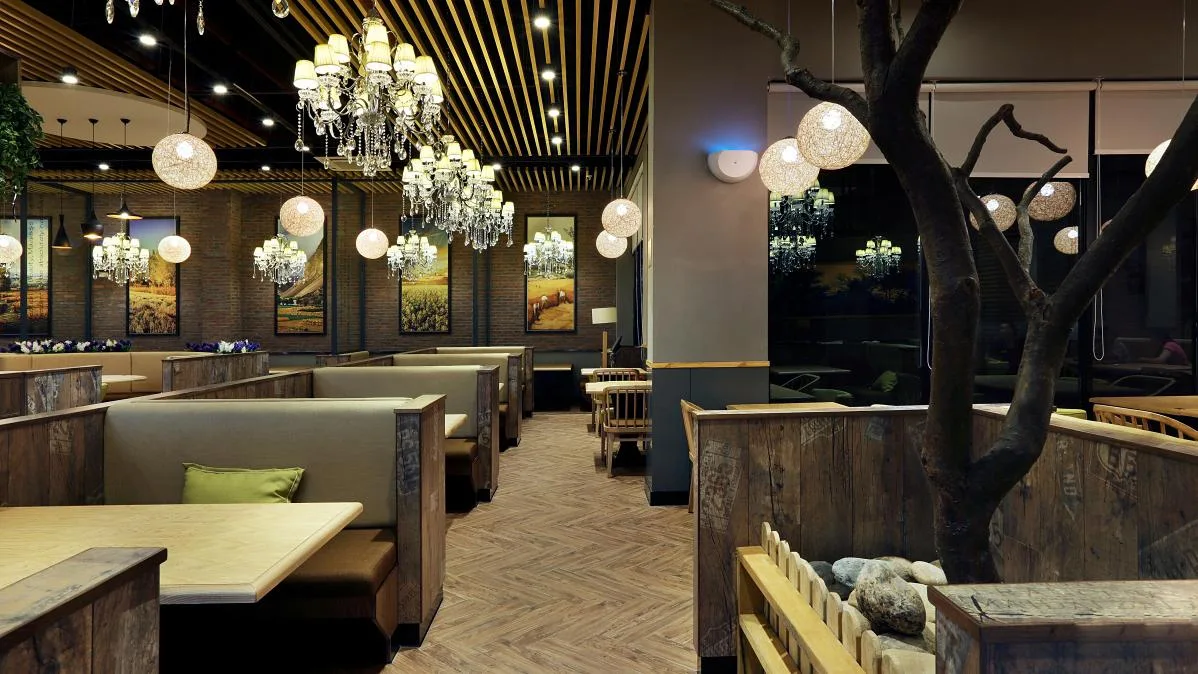
Operational bottlenecks during peak breakfast service frequently trace back to poor spatial planning and cumbersome seating arrangements. When front-of-house staff struggle to realign heavy dining chairs, table turnover times increase, potentially disrupting the overall guest experience.
Selecting appropriate hotel dining furniture helps mitigate these daily friction points. Mature design principles create sophisticated spaces that can withstand high-intensity, high-frequency commercial use while balancing aesthetic appeal with practical functional requirements.
- Ergonomic Proportions for Prolonged Seating
Fine dining involves extended seating durations, making ergonomic support a primary consideration for any luxury venue. Seat depth, foam density, and the pitch of the backrest all contribute to how comfortable guests feel over a multi-course meal.
Specifying high-resilience foam cores rather than standard materials helps maintain structural integrity over thousands of uses. This careful attention to proportion aids in supporting a relaxed posture without the seating losing its shape.
Furthermore, coordinating armrest heights with table clearances allows chairs to tuck fully underneath. Thanks to this thoughtful detail, the passageway remains unobstructed, allowing service personnel to safely navigate crowded aisles.
- Weight and Mobility in High-Traffic Zones
Hefty, ornate chairs may look majestic, but they often present significant challenges for guests and cleaning staff. If a chair is too heavy to slide easily, it creates acoustic disturbances and drags against flooring surfaces.
Utilizing lightweight hardwood frames or hollow-core metals helps reduce overall weight while retaining structural strength. This approach allows guests to move their chairs more easily, contributing to a more seamless dining experience.
Chair legs with commercial-grade nylon slide rails allow the chair to move smoothly between carpet and hard floors, speeding up table turnover and protecting high-end floors from premature wear.
- Acoustic Dampening Through Material Selection
Large, open-concept dining rooms often suffer from harsh acoustic echoes, making quiet conversation difficult. Hard surfaces like marble floors and glass walls bounce sound waves, which elevates the ambient noise level of the entire space.
Integrating upholstered seating and fabric-wrapped banquettes helps absorb these reverberations, creating a more intimate auditory environment. Partnering with experienced manufacturers like BFP Furniture enables procurement teams to source textiles that offer both acoustic dampening and high-traffic durability.
Strategic placement of high-backed booths further aids in breaking up sound paths. Softening the acoustic profile supports a refined atmosphere where guests can communicate comfortably without straining.
- Strategic Zonal Layouts for Privacy
Five-star venues cater to a diverse mix of large celebratory groups, solo travelers, and couples. Establishing distinct seating zones using varied furniture profiles helps accommodate these different guest requirements within a single architectural footprint.
Placing elevated booths along the perimeter creates sheltered areas for private dinners. Conversely, utilizing low-profile loose tables in the center of the room supports a vibrant, communal atmosphere that energizes the venue.
This layered approach to floor planning aids in optimizing usable space while managing traffic flow. Grouping similar seating types helps staff designate specific service zones, contributing to a more organized workflow.
- Durable Finishes for Commercial Rigor
Food and beverage environments expose furnishings to constant spills and rigorous cleaning chemicals. Standard wood varnishes and delicate residential fabrics quickly deteriorate under such harsh daily conditions, leading to a degraded aesthetic.
Specifying catalyzed lacquers on timber surfaces and solution-dyed acrylics for upholstery helps protect against permanent staining. These commercial-grade finish applications support sustained visual appeal, reducing the frequency of costly early replacements.
Applying nano-coatings to metal bases helps prevent tarnishing and resists scuff marks from passing shoes. Selecting materials engineered for hospitality applications aids in preserving the five-star standard long after the opening date.
- Customizing Hotel Restaurant Furniture Configurations
Standardized retail catalogs rarely fit seamlessly into complex architectural layouts featuring curved walls or uneven alcoves. Tailoring banquette lengths and table dimensions helps maximize seating capacity without crowding the service aisles.
Procuring tailored hotel restaurant furniture allows interior architects to align seating plans with specific structural nuances. Customized layout ensures smooth passage of service trays while maintaining an elegant and minimalist appearance.
Adjusting base styles, such as opting for pedestal tables instead of four-legged designs, provides guests with more legroom. These subtle customized dimensional shifts help elevate the comfort level for varying group sizes.
- Harmonizing Lighting and Surface Textures
The interaction between overhead architectural lighting and tabletop surfaces significantly influences the dining ambiance. High-gloss tables often reflect harsh glare from spotlights, which can cause visual fatigue for guests during evening services.
Matte or lightly brushed finishes can soften the harsh light of overhead lighting into a gentle glow. A well-balanced combination of materials and light creates a relaxing atmosphere that invites you to linger.
Wood grains with a wire-brushed finish or honed stones aid in hiding minor surface scratches while interacting beautifully with candlelight. Integrating these tactile materials helps enrich the sensory experience of the dining space.
- Streamlined Maintenance Protocols
Even the most resilient materials require regular upkeep, making design accessibility a crucial factor. Furniture with complex, deep crevices often traps crumbs and dust, complicating the nightly cleaning process for operations teams.
Chairs equipped with removable seats and booths with pre-drilled gaps at the back to prevent debris from falling out, reducing cleaning and disinfection time. The optimized structural design allows staff to easily maintain high standards of hygiene on a daily basis. Thoughtful structural designs help staff maintain high hygiene standards effortlessly on a daily basis.
Prioritizing operational ease during the design phase supports a pristine environment for early morning service. Simplified maintenance helps the venue retain its luxurious appeal while reducing the labor burden on housekeeping staff.