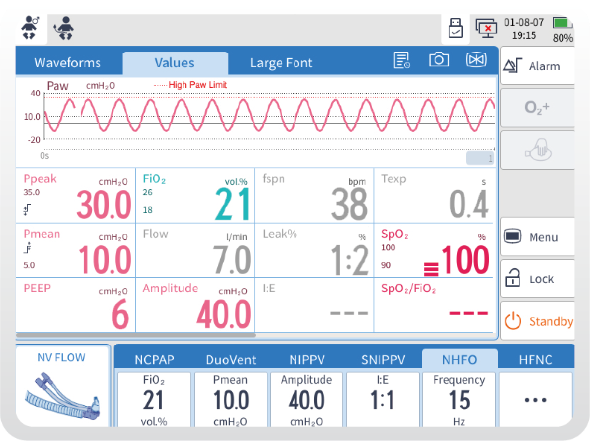
Specialized respiratory care for neonates requires a precise balance between providing adequate oxygenation and protecting fragile lung tissue from trauma. COMEN addresses these unique physiological needs through the NV10, a system engineered specifically for the smallest patients in the NICU. An effective infant ventilator must offer a range of non-invasive modes to reduce the necessity of intubation, which can be particularly taxing on a premature infant’s development. By implementing advanced pressure control and flow synchronization, they assist medical teams in maintaining stable respiratory cycles while minimizing the work of breathing for the child.
Implementing Non-Invasive Respiratory Support
Prioritizing non-invasive techniques often serves as the first step in successful newborn mechanical ventilation protocols. Modern ventilators provide multiple modes such as NIPPV and SNIPPV that allow the device to synchronize with the infant’s spontaneous breaths, which helps prevent the complications associated with traditional invasive methods. This infant ventilator utilizes high-precision sensors to detect even the slightest respiratory effort, ensuring that pressure support is delivered exactly when needed. Such responsiveness is vital for stabilizing infants with respiratory distress syndrome, as it allows for effective lung recruitment without the aggressive nature of mechanical cycles.
Enhancing Safety Through Intelligent Monitoring
Continuous data feedback is essential when managing newborn mechanical ventilation for patients with rapidly changing clinical statuses. They integrate a high-definition touchscreen into the interface to display real-time waveforms and vital trends, allowing clinicians to make immediate adjustments to PEEP or oxygen concentrations. The infant ventilator also features an intelligent alarm system that distinguishes between minor leaks and critical disconnections. This level of oversight ensures that the care team remains informed of the patient’s pulmonary mechanics at all times, reducing the risk of volutrauma or barotrauma during long-term support.
Improving Clinical Workflow and Accessibility
Efficiency in the neonatal intensive care unit directly impacts the quality of care provided to vulnerable infants. They design their equipment with an intuitive user interface that simplifies the setup process for newborn mechanical ventilation, allowing nurses and respiratory therapists to focus more on patient interaction. The compact footprint of this infant ventilator makes it suitable for crowded bedside environments, while the built-in battery ensures uninterrupted support during internal hospital transfers. By streamlining the technical aspects of respiratory therapy, they help clinicians maintain a high standard of care while responding to the fluctuating demands of the NICU.
Precision and adaptability remain the cornerstones of neonatal respiratory medicine. Through the integration of sensitive triggers, comprehensive monitoring, and user-friendly designs, they empower healthcare professionals to deliver tailored support to every newborn. These technological advancements ensure that ventilation is as gentle as it is effective, fostering better long-term outcomes for premature and critically ill infants. Maintaining a focus on specialized neonatal engineering allows for the continued refinement of these life-saving strategies.