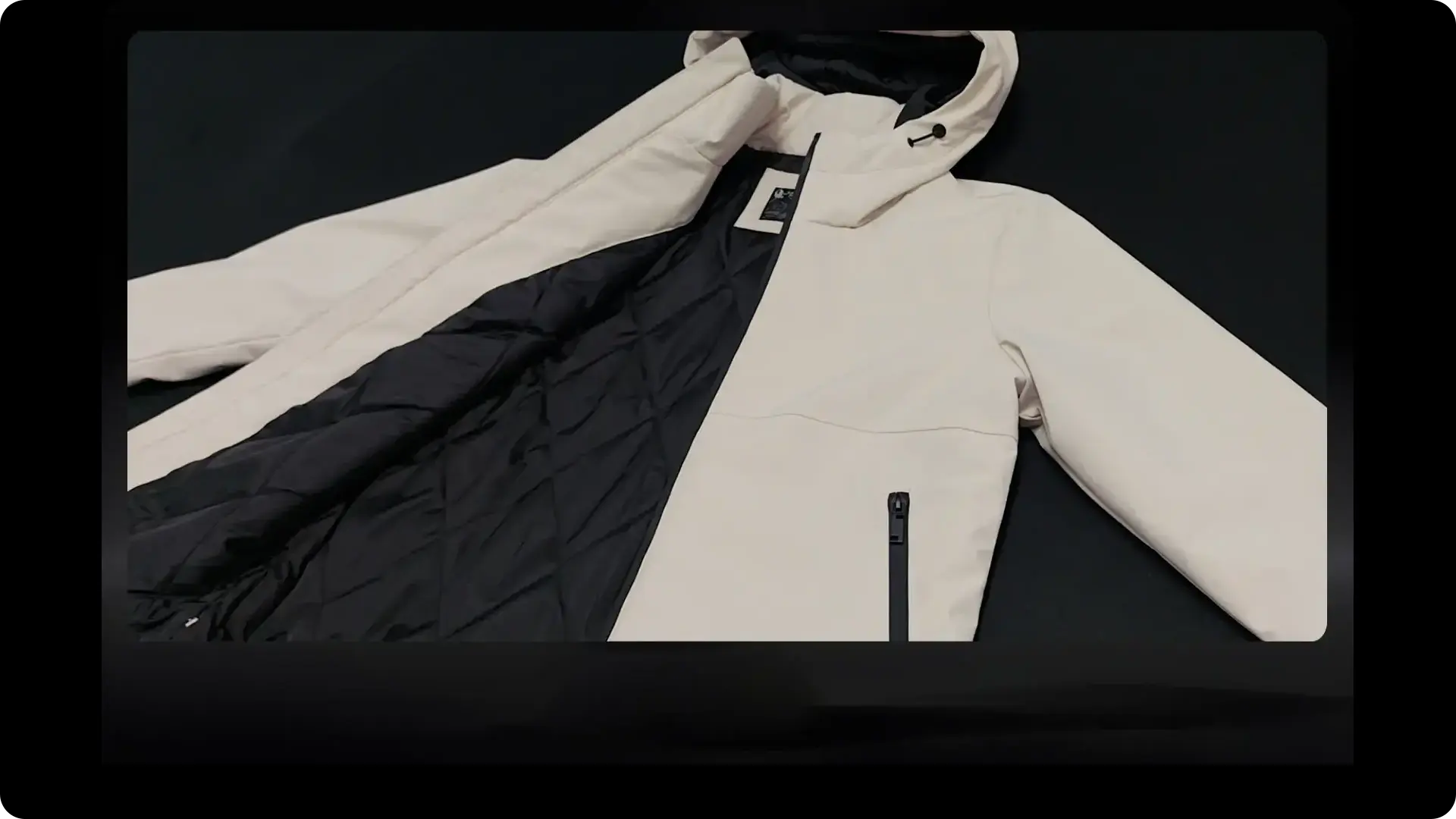
Bulky winter clothing is not always the most practical answer to cold weather. For commuters, outdoor enthusiasts, and workers who need freedom of movement, excessive garment thickness can make everyday activities uncomfortable. The key lies in slowing heat transfer without relying entirely on layers of thick filling.
Low thermal conductivity materials offer one approach to this challenge by limiting the movement of heat through a relatively thin structure. Y-Warm develops thermal insulation technology for apparel applications, reflecting a broader shift toward lightweight materials that balance warmth with wearable comfort.
Understanding the Link Between Thermal Conductivity and Thickness
Thermal conductivity describes how readily heat travels through a material. A material with lower conductivity generally transfers less heat under the same conditions, making it useful in applications where temperature retention matters. In clothing, however, conductivity is only one part of the insulation equation; thickness, density, internal structure, and surrounding fabric layers also influence overall performance.
Traditional insulation often relies on loft to trap still air. Fibers or other porous structures create spaces that restrict heat movement, but achieving sufficient warmth through loft alone can add considerable volume. This may affect the garment’s silhouette, weight, and ability to fit comfortably beneath another layer.
Materials with carefully engineered internal structures can reduce heat transfer without requiring the same degree of bulk. The principle behind low thermal conductivity materials is particularly relevant to slim jackets, insulated liners, and technical garments where space and mobility are limited. Their suitability still depends on testing the finished textile construction rather than relying solely on a conductivity figure.
How Internal Structure Helps Retain Heat
Heat travels through materials by several mechanisms, including conduction, convection, and radiation. In porous insulation, reducing the movement of air within internal spaces can limit convective heat transfer, while the material itself influences conductive heat flow. Smaller or enclosed air spaces can help restrict these processes, depending on their size, distribution, and stability.
Closed-cell structures offer one way to manage heat transfer. Their enclosed spaces limit air circulation within the material, helping reduce heat movement without depending on a thick layer of loose fibers. The effectiveness of this approach depends on cell structure, material composition, and how the insulation behaves under pressure or repeated use.
For apparel developers, the practical question is how these properties translate into garment performance. A low-profile insulation layer may preserve more room around the shoulders, arms, and waist than a bulky filling system. Such construction can support thermal comfort inc by allowing garments to retain warmth while maintaining a closer fit and greater ease of movement.
Balancing Thin Construction With Everyday Comfort
Reducing thickness does not automatically make a garment more comfortable. A very thin insulation layer may lack sufficient thermal resistance in severe cold, while a tightly constructed outer fabric can restrict moisture vapor from escaping. Garment design must account for the relationship between insulation, lining, shell fabric, and the conditions in which the clothing will be worn.
Moisture management is especially important during physical activity. Perspiration can accumulate inside clothing if the layers do not allow enough vapor transmission. Once the wearer slows down, damp conditions may increase the sensation of cold. Breathable linings, suitable base layers, and appropriate ventilation can help manage this issue alongside insulation selection.
Fit also changes how insulation performs. Excessive compression may reduce the air spaces that contribute to thermal resistance, while loose construction can allow cold air to circulate through the garment. A well-developed clothing system considers both factors, using material placement and garment patterning to support thermal comfort inc without adding unnecessary volume.
Evaluating Thin Insulation for Garment Applications
Material specifications provide a starting point for product development, but several measurements should be considered together. Thermal conductivity describes heat transfer through a material, while thermal resistance reflects the insulation provided at a particular thickness. Weight, flexibility, compression recovery, and moisture behavior offer further insight into how the material may perform in finished clothing.
Y-Warm’s ultra-thin thermal insulation is specified at 0.7 mm thick and uses a closed-cell structure designed to reduce heat transfer without bulky loft. Under specified test conditions, it provides an approximately 10° C increase in perceived warmth. These details illustrate how a thin insulation layer may be incorporated into apparel, although actual garment performance varies with construction, fit, outer materials, and environmental conditions.
Prototype testing remains essential before a material is used in production. Comparing garments with different insulation thicknesses can reveal changes in warmth, flexibility, and wearing comfort. Tests should include movement, exposure to wind, and changes in activity level, rather than relying only on stationary laboratory measurements. This broader assessment helps determine whether low thermal conductivity materials are suitable for the garment’s intended use.
Conclusion
Garment warmth does not have to come from thickness alone. Internal structure, heat-transfer properties, moisture management, and construction all influence how effectively a lightweight garment protects the wearer. Y-Warm develops thin thermal insulation technology for clothing applications, combining a compact profile with a closed-cell material structure. Apparel brands interested in lightweight insulation can learn more about Y-Warm’s solutions and assess their potential in future garment designs.