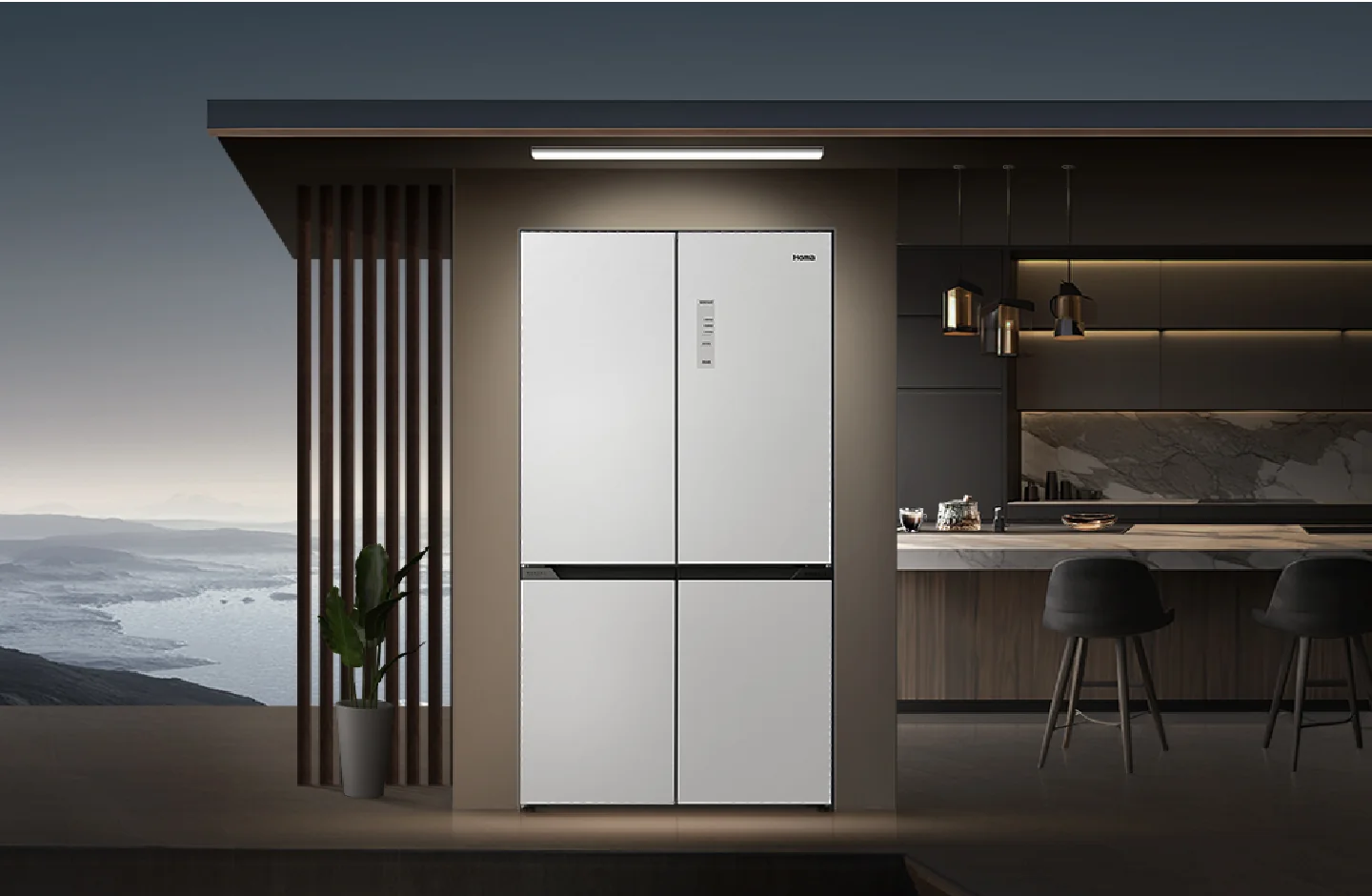
A hypothetical partner wants customers to understand the storage arrangement of a proposed refrigerator. The manufacturer is a source of product information, the partner shapes its presentation, and customers interpret the offer. Homa Appliances describes its appliances in relation to clients’ brands and their final customers on its homepage.
That relationship supplies a setting for examining what cooperation with a China refrigerator brand could mean. The example follows the customer’s intended understanding into a product inquiry, then follows the resulting information back into a customer explanation.
Translating Customer Intentions into Product Questions
An intended customer experience becomes a product inquiry when its unclear terms are exposed. In the hypothetical partner’s intention, understanding the storage arrangement could mean recognizing the named areas or understanding their described purposes. Those are related tasks, but each requires a different explanation. Naming an area identifies a place; describing its role explains the use assigned to it.
The partner could ask how the proposed appliance’s storage areas are identified and what the available description says about their roles. Such questions request information; they leave the manufacturer’s response open.
No particular arrangement or customization is assumed in this example. An answer identifying an area would address its identity, while an answer explaining its role would address its meaning in use. Separating those questions reveals what each response could contribute.
The experience intention also determines why the information matters. A list of names might satisfy a request for terminology while leaving the customer uncertain about the arrangement.
An inquiry to a China refrigerator brand can explain that the partner wants customers to understand how the descriptions relate to the proposed appliance. It connects the requested detail with the understanding the partner hopes to support.
The translation can lose something if the partner asks only for the wording it expects to publish. A suggested phrase might conceal uncertainty about the product it describes.
Asking what an area is intended to mean provides a clearer subject for explanation than requesting an attractive name for it. The partner retains responsibility for how it presents the information, while the inquiry seeks the product meaning that could inform that presentation.
Different questions can preserve the same customer purpose. One may ask which part of the arrangement a description identifies; another may ask what use the description explains. Their connection rests on the intended understanding, not on identical wording.
The partner can keep that purpose visible while distinguishing the answers sought. Product information then has an identifiable destination: the explanation through which the customer is meant to understand the proposed refrigerator.
Translating Product Information Back into Customer Meaning
Information returning from the manufacturer needs to be interpreted through the customer’s question. In the hypothetical discussion, a response might identify a storage area while leaving its intended role broadly described.
The partner has learned something about the arrangement, but the original communication intention may require further explanation. That difference becomes visible by comparing the response with the understanding sought. The answer’s contribution is defined by the question it actually helps resolve.
A customer explanation could make the identified relationship clear without extending it. If the hypothetical response connects a name with a particular area, the partner could explain that connection.
A claim about a storage outcome would require a different basis. Cooperation with a China refrigerator brand supplies a setting for interpreting product information, while the example remains an analysis of communication. The customer’s account can retain the meaning that the available response has established.
Simply passing on terminology would leave the customer to perform the translation. The partner can instead explain why the named area matters to the understanding under discussion and distinguish its identity from its described use.
A term gains meaning through that relationship. Where the response contains only identification, an account can make identification clear. Where it explains a role, that explanation can become part of the customer’s understanding of the arrangement.
Audience feedback tests whether the explanation has made that distinction understandable. A hypothetical customer might recognize the area name yet ask what its described role means when considering the appliance.
The question exposes a remaining gap between recognition and understanding. It identifies the kind of explanation still needed, giving the partner something more specific than a general impression that the message is unclear. Feedback has located a relationship requiring attention.
That relationship can travel back toward the manufacturer as a revised inquiry. The partner could ask for clarification of the role already named, explaining which aspect the customer found difficult to understand.
The feedback concerns the meaning of the proposed offer; no actual customer study or company procedure is asserted. Its useful consequence is a more focused product question, generated from the place where the earlier explanation left understanding incomplete.
When feedback identifies a gap between recognizing an area and understanding its role, the partner has a reason to renew the product inquiry. The next question can preserve the customer’s concern while asking the manufacturer for the explanation needed to address it. Homa Appliances‘ relationship frames this hypothetical exchange, with each role contributing differently. The returning answer can then inform a customer account that responds to the precise difficulty the feedback revealed.