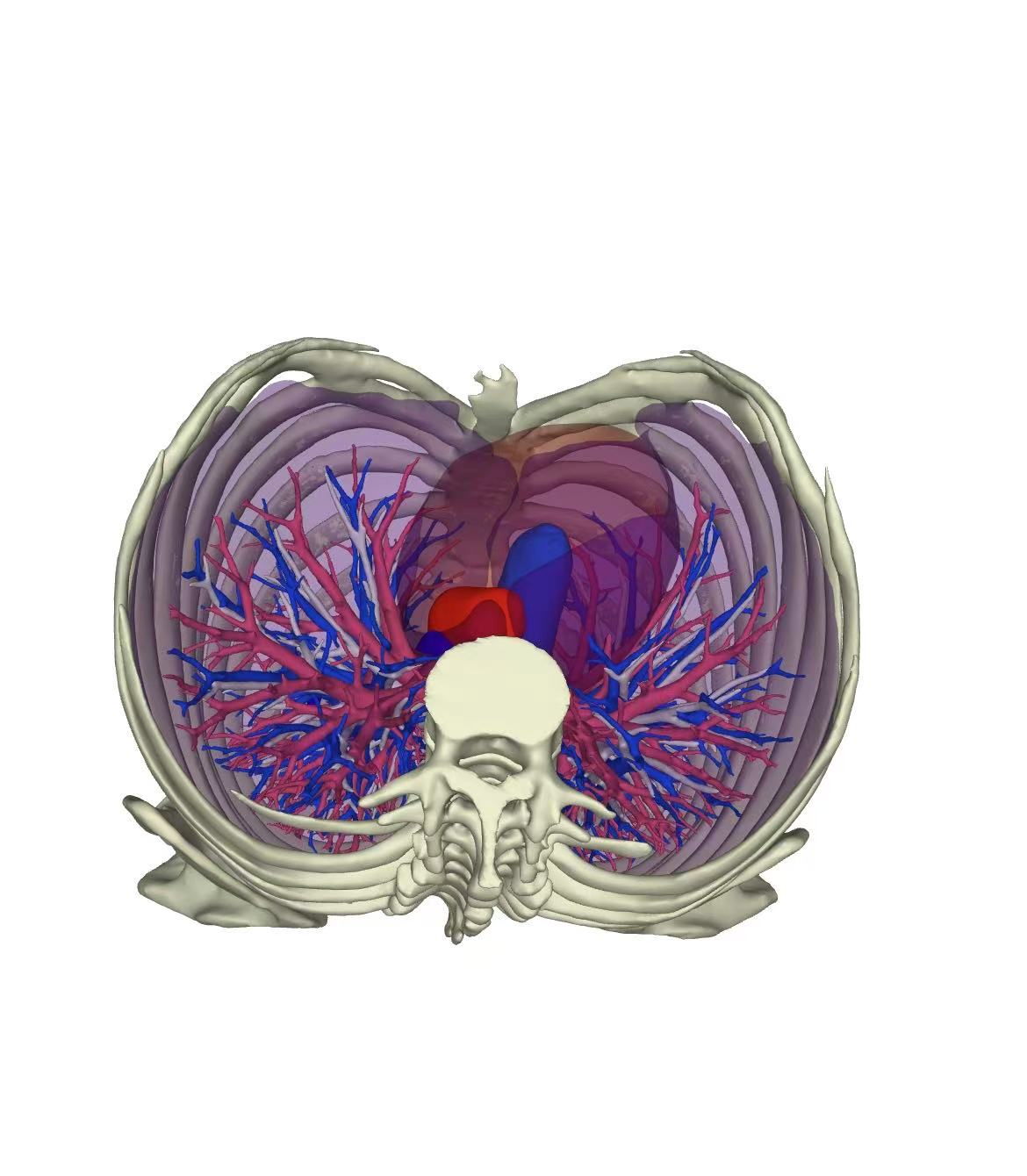
Barrel chest can be a concerning sign of changes within the chest cavity, often linked to various health conditions. While some individuals develop primary barrel chest during childhood without any apparent medical cause, others experience the condition as a secondary result of chronic respiratory diseases like emphysema. These diseases, particularly chronic obstructive pulmonary disease (COPD), gradually alter the structure of the chest, leading to characteristic barrel-shaped symptoms. Understanding the differences between primary and secondary barrel chest is important for appropriate evaluation and management.
Primary vs. Secondary Barrel Chest
Primary barrel chest often develops from an early age, although the exact cause remains unclear. This form is typically not associated with any underlying disease and is usually addressed for cosmetic or psychological concerns rather than physiological symptoms.
Secondary barrel chest, on the other hand, is linked to chronic respiratory diseases, particularly emphysema. Decreased lung elasticity makes it difficult to completely expel air during exhalation. The trapped air causes the lungs to remain in a state of overinflation, constantly pushing the ribs outward, eventually leading to a barrel chest. Surgical correction is generally not recommended for secondary barrel chest, as the deformity reflects compensatory changes due to the underlying lung condition rather than a primary chest wall problem.
Chronic Respiratory Diseases Linked to Barrel Chest
Emphysema, a type of chronic obstructive pulmonary disease (COPD), is one of the common causes of secondary barrel chest. The damage to the lungs makes it difficult to expel air, leading to the characteristic barrel-shaped chest. Chronic respiratory conditions like COPD result in long-term changes in chest structure.
Other Disorders and Factors Contributing to Barrel Chest
Apart from respiratory diseases, a barrel chest may also develop due to thoracic, pleural, and cardiovascular conditions. These can affect the shape and function of the chest cavity. Other environmental factors may contribute to this situation, such as the hypoxic environment of high-altitude regions.
Conclusion
Whether arising from childhood development or as a secondary condition due to chronic diseases like COPD, barrel chest demands thorough and specialized care. The Institute of Chest Wall Surgery (ICWS) provides a broad range of services, addressing not only chest wall deformities but also associated conditions like thoracic, pleural, and cardiovascular disorders. With its advanced diagnostic equipment and expertise in multiple surgical disciplines—including corrective surgery and rehabilitation—ICWS is a comprehensive care center for individuals affected by barrel chest. By offering a holistic treatment approach, ICWS helps patients with barrel chest manage the symptoms while improving their overall health and well-being.