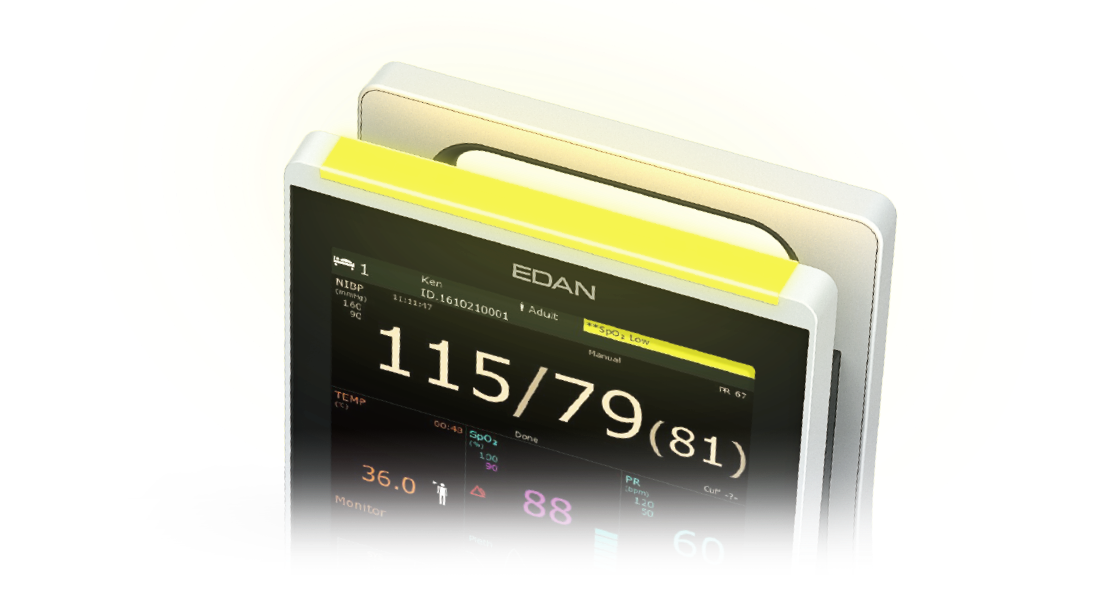
When evaluating hospital patient monitor solutions, one often overlooked yet vital feature is internal memory capacity. Sufficient onboard storage ensures that critical data can be recorded, reviewed, and transferred without gaps or data loss. In this article, we explore why memory capacity matters and how devices like the EDAN iM3 Vital Signs Monitor rise to meet demanding clinical needs.
Why Internal Memory Capacity Matters in Clinical Settings
A hospital patient monitor must capture and store a range of measurements, including blood pressure, oxygen saturation, and pulse rate. Larger memory allows continuous trend storage, enabling clinicians to review subtle changes over time. In environments with frequent spot checks and rounds, devices with robust storage can hold millions of measurements without requiring constant data offloading. This minimizes interruptions and supports thorough patient record keeping.
Assessing the Storage Features of Portable Devices
Portable units, including portable vital signs monitor models, vary widely in how much data they can retain. Some basic monitors store trend data for a limited number of patients and may require frequent manual transfers. More advanced models integrate modes tailored for different clinical workflows. Spot check and ward round modes capture large volumes of measurements in quick succession, while monitoring mode logs detailed trend data and alarm events over hours of continuous use.
The EDAN iM3 Vital Signs Monitor exemplifies a device with high internal memory bandwidth. In specific operating modes, this monitor can record up to 16 million individual measurements, offering extended data retention without external storage. When used in sustained monitoring mode, it retains up to 1,200 non-invasive blood pressure readings and 120 hours of trend data along with hundreds of alarm events. This breadth of storage supports both immediate decisions and retrospective analysis.
Balancing Portability with Performance
Modern portable vital signs monitor units are engineered to be lightweight and easy to transport between wards while still providing robust memory functions. Portability does not have to limit data retention; devices like the EDAN iM3 combine compact design with extensive internal memory, making them suitable for use across departments and patient populations.
Conclusion
When comparing hospital patient monitor options, internal memory capacity should be a key consideration. Larger storage supports comprehensive patient data capture and reduces reliance on frequent data transfers. The EDAN iM3’s substantial measurement storage in both spot check and continuous monitoring scenarios illustrates how efficient memory design can enhance workflow and clinical insight.